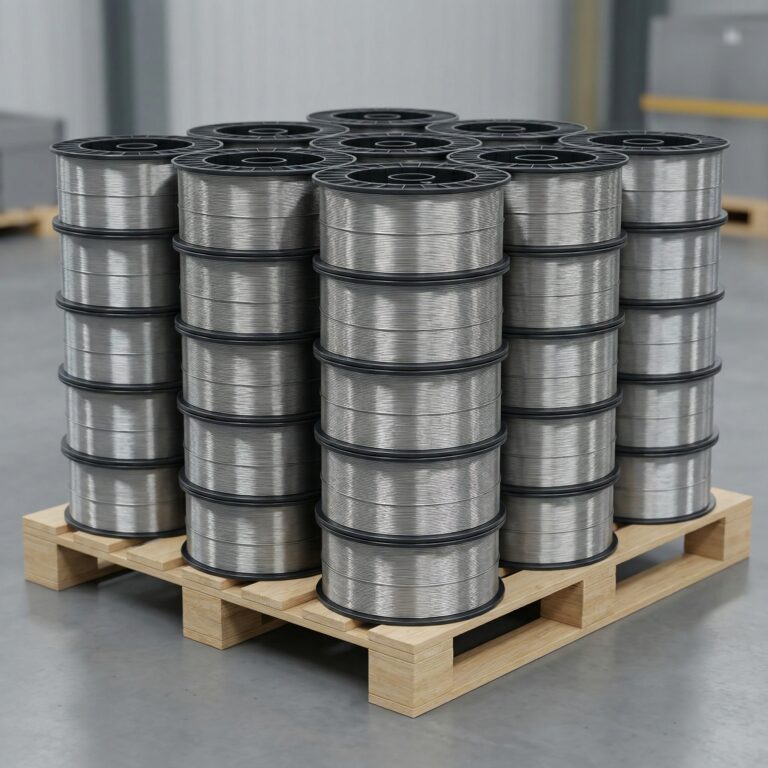
Product Overview
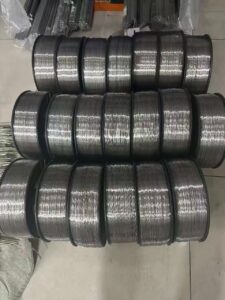
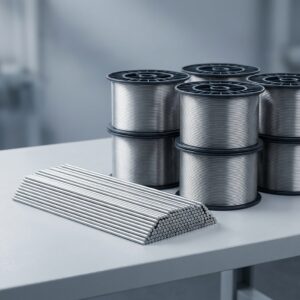
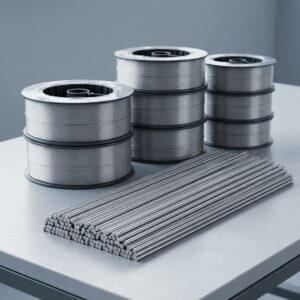
Ti811 wire is a near-alpha titanium alloy wire designed for elevated-temperature service where strength retention, thermal stability, and corrosion resistance are required. It is commonly used for aerospace and high-end industrial parts that experience thermal cycling and long-duration heat exposure. The wire can be supplied on spools or in straightened cut lengths for forming, spring making, fastening-related manufacturing, and other precision wire applications.
Chemical Composition
| Element | Content |
|---|---|
| Titanium | Balance |
| Aluminum | 6.0% |
| Tin | 2.8% |
| Zirconium | 4.0% |
| Molybdenum | 0.6% |
| Silicon | 0.4% |
| Niobium | 1.0% |
| Carbon | ≤ 0.05% |
| Oxygen | ≤ 0.12% |
| Nitrogen | ≤ 0.03% |
| Hydrogen | ≤ 0.015% |
| Iron | ≤ 0.25% |
Typical Applications
- Aerospace engine and engine-adjacent components requiring elevated-temperature capability
- Hot-zone brackets, clamps, and formed wire parts for thermal cycling environments
- High-performance springs, clips, retainers, and precision wire-formed parts
- Industrial hardware exposed to heat and corrosive atmospheres
Common Sizes and Forms of Supply
- Diameter range: 0.10 mm to 6.00 mm
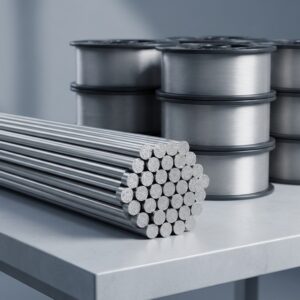
- Supply forms: spooled wire, precision layer-wound spools, straightened and cut lengths
- Length options: supplied per request for straight lengths, multiple spool sizes and weights available
| Diameter Category | Diameter Range | Common Uses |
|---|---|---|
| Fine wire | 0.10–1.00 mm | precision forming, micro-components |
| Medium wire | 1.00–6.00 mm | general fabrication, springs, clips |
National Grade Designations
- China: Ti811
- International naming: Ti-6Al-2.8Sn-4Zr-0.6Mo-0.4Si-1Nb titanium alloy wire
Certifications and Standards
- ISO 9001 quality management system available
- EN 10204 3.1 inspection certificate available
- Chemical analysis and heat/lot traceability available per order
- Additional aerospace quality requirements available on request
Notes and Precautions
- Keep wire sealed and clean to prevent moisture, oil, and particulate contamination.
- For welding or high-integrity joining, strict surface cleanliness and proper inert gas shielding are required per your WPS.
- Mechanical properties depend on diameter, processing route, and heat treatment condition; confirm requirements before production release.
- For long-term elevated-temperature service, validate material selection against your design allowables and service environment.