Resumen
TIMETAL 679 is a high-performance titanium alloy designed for demanding service where lightweight strength, corrosion resistance, and stable mechanical performance are required. It is a strong option for engineering teams seeking to reduce mass while maintaining durability in aggressive environments and under cyclic loading. Suitable for a wide range of industrial and high-end manufacturing applications, TIMETAL 679 supports reliable performance when conventional materials become weight- or corrosion-limited.
Chemical Composition of TIMETAL 679 (wt%)
- Tin (Sn): 10.50–11.50%
- Zirconium (Zr): 4.00–6.00%
- Aluminum (Al): 2.00–2.50%
- Molibdeno (Mo): 0.80–1.20%
- Silicio (Si): 0.10–0.50%
- Hierro (Fe): ≤ 0.20%
- Oxygen (O): ≤ 0.20%
- Hydrogen (H): ≤ 0.0125%
- Titanium (Ti): Remainder
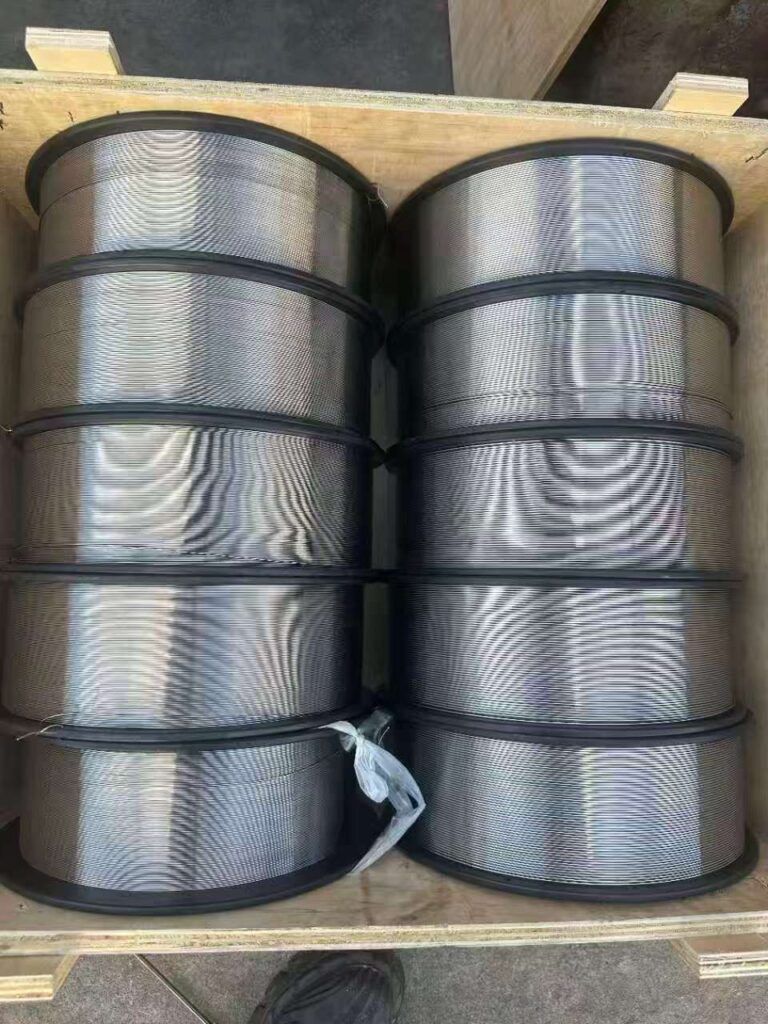
Standard Sizes by Diameter
1) Fine Wire
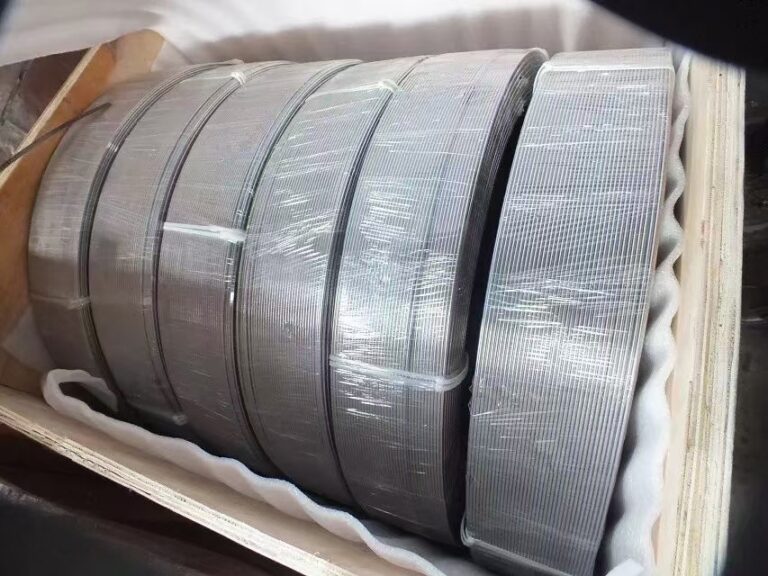
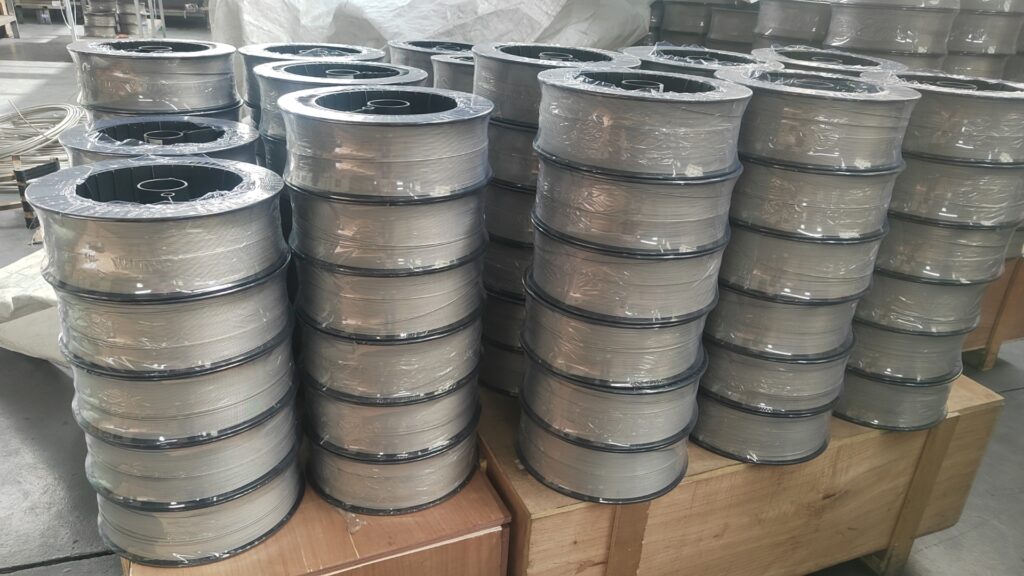
- Diameter range: 0.1 mm – 1.0 mm
- Common sizes: 0.2 mm, 0.3 mm, 0.5 mm, 0.8 mm, 1.0 mm
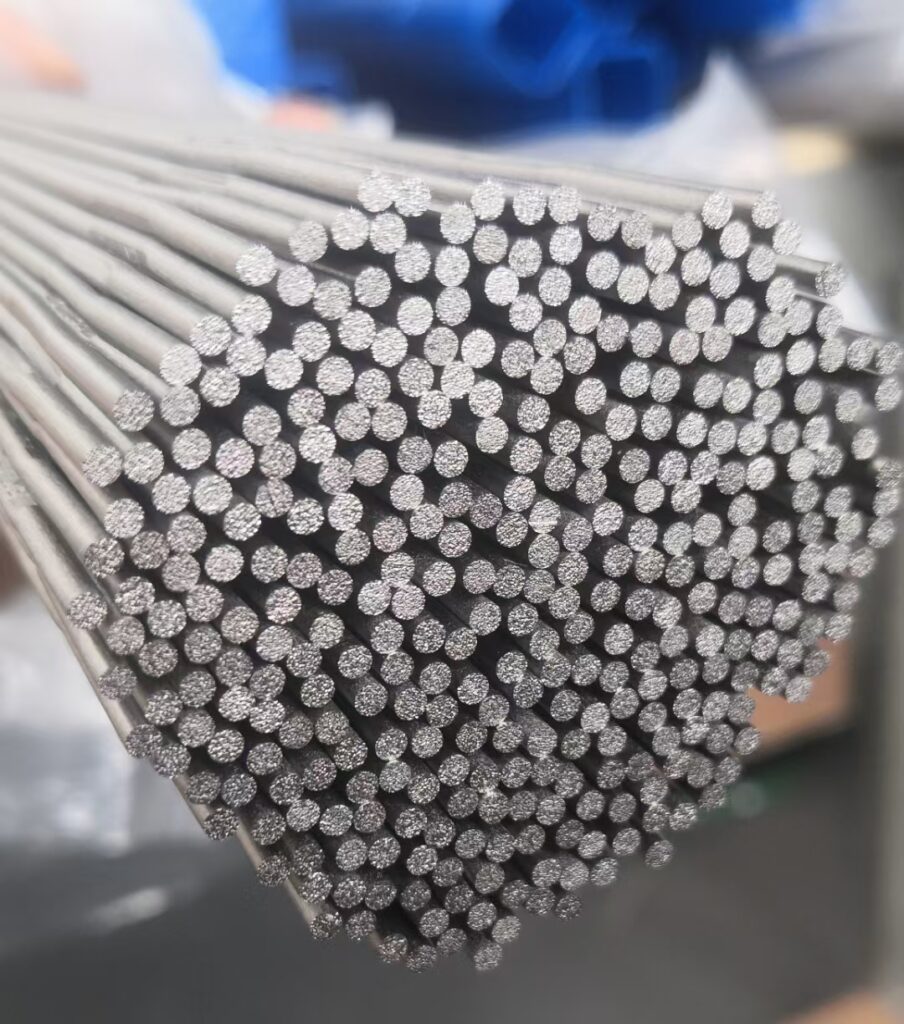
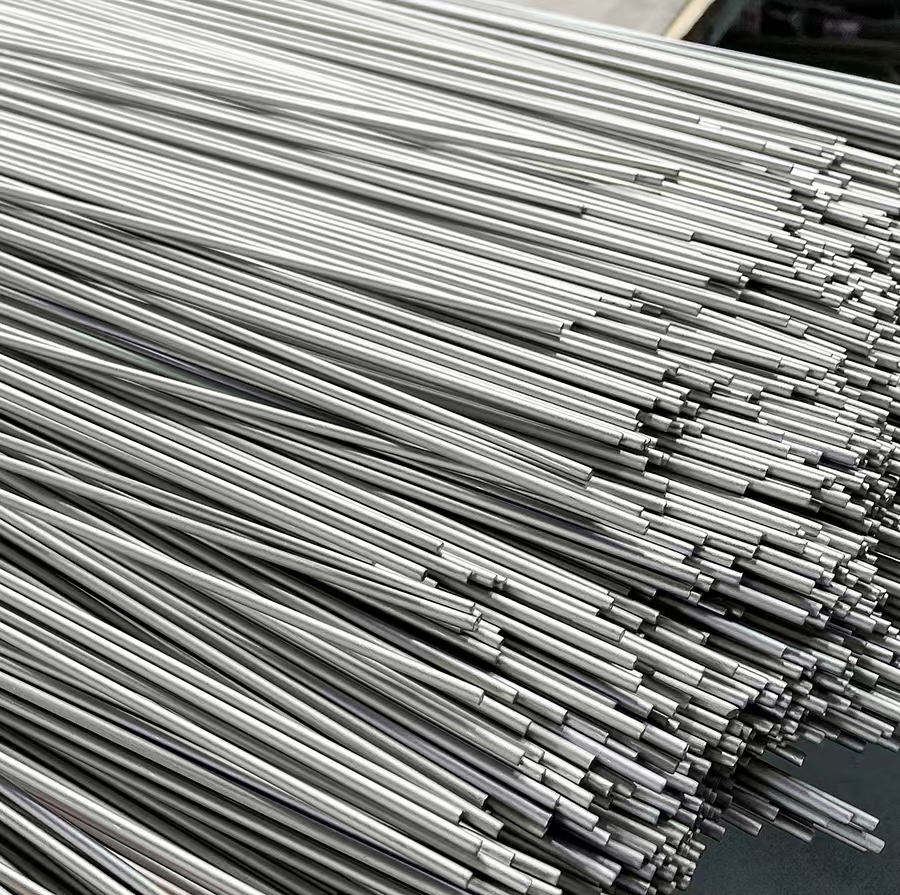
2) Medium Wire
- Diameter range: 1.0 mm – 6.0 mm
- Common sizes: 1.2 mm, 1.6 mm, 2.0 mm, 2.5 mm, 3.0 mm, 4.0 mm, 5.0 mm, 6.0 mm
Why Choose TIMETAL 679
Engineers select TIMETAL 679 when a component must deliver consistent performance across challenging operating conditions. The alloy is commonly used where strength-to-weight efficiency and long service life are key drivers.
- Lightweight design potential through high strength-to-weight performance
- Corrosion resistance for harsh, wet, or salt-influenced environments
- Dependable performance under cyclic loading for long-life parts
- Suitable for elevated-temperature and thermally variable service conditions
- Supports reduced maintenance and longer replacement intervals in corrosive settings
Typical Application Scenarios
Below are common use cases where TIMETAL 679 can provide a material advantage. Final selection should be validated against the specific design allowables, processing route, and service conditions.
- Aerospace structures and heat-adjacent assemblies where weight reduction is critical
- High-performance automotive and motorsport components requiring stiffness and durability
- Industrial equipment exposed to corrosion, moisture, or chemically aggressive atmospheres
- Energy and power-system components operating under continuous load and elevated temperature
Material Benefits by Application
| Área de aplicación | What It Helps Achieve | Common Design Drivers |
|---|---|---|
| Aeroespacial | Weight reduction with structural reliability | Specific strength, fatigue life, thermal cycling |
| Automotive & Motorsport | Improved performance through mass reduction | Stiffness, durability, harsh duty cycles |
| Industrial / Chemical Exposure | Longer service life in corrosive environments | Corrosion resistance, uptime, maintenance reduction |
| Energy & Power | Stable performance under continuous operation | Elevated temperature capability, reliability |